
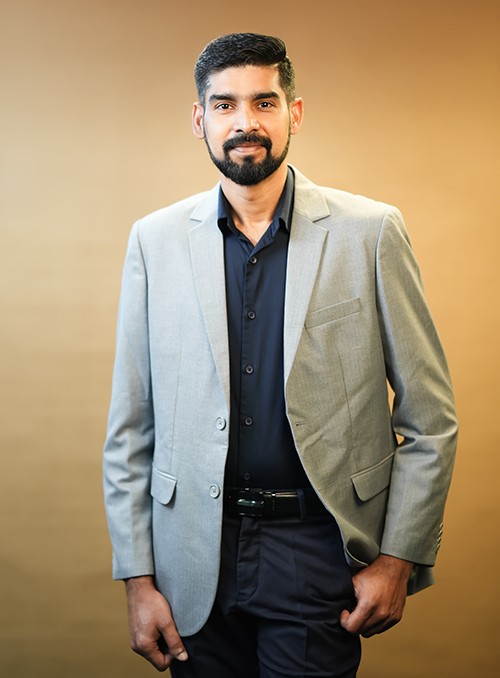
Dr. Rajeev P B is a Senior Consultant Orthopaedic Surgeon with over 14 years of experience, specializing in joint replacements, arthroscopy, and trauma care. He is known for his advanced surgical skills and compassionate patient care.
Currently practicing at Marsleeva Medicity Palai, Dr. Rajeev holds Diploma & Masters in Orthopedics. Also holds diploma in orthopedics (DNB) from national board of examinations. Received additional training in sports injury treatment, arthroscopy and joint replacement. His expertise spans treating arthritis, sports injuries, and complex fractures. With a strong focus on clinical excellence and recovery-focused care, Dr. Rajeev helps patients regain mobility and return to active, pain-free lives using the latest medical technologies.
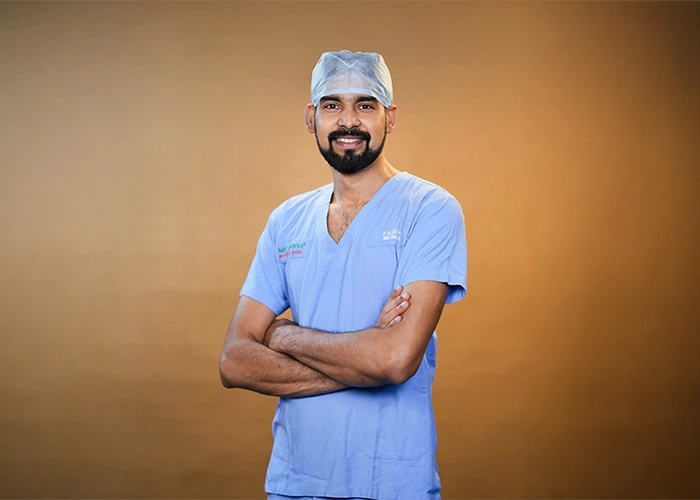
Offers expert care in joint replacements, arthroscopy, sports injuries, complex trauma, bone tumor limb salvage surgeries and deformity correction. Specialized in bone tumor surgeries, limb salvage, and deformity correction, ensuring comprehensive treatment and improved mobility.
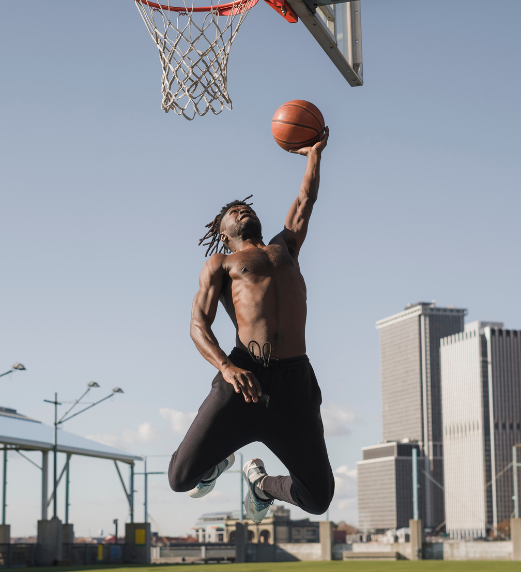
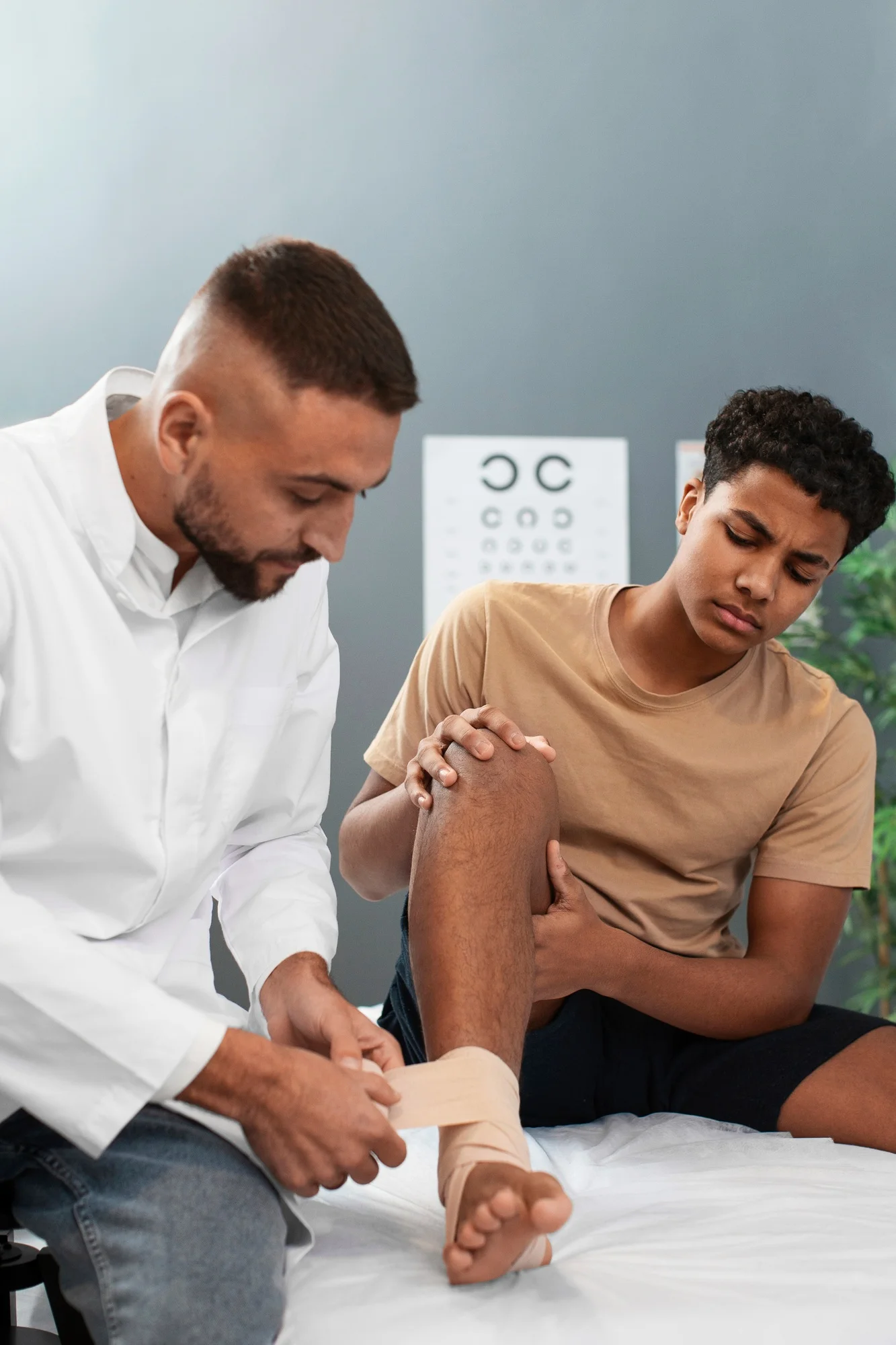
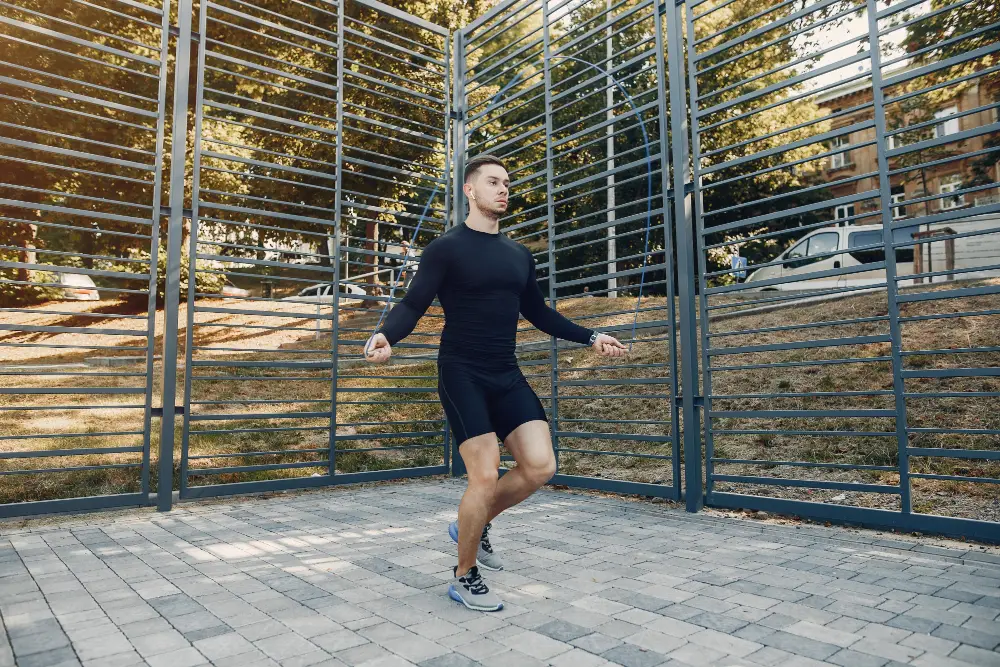
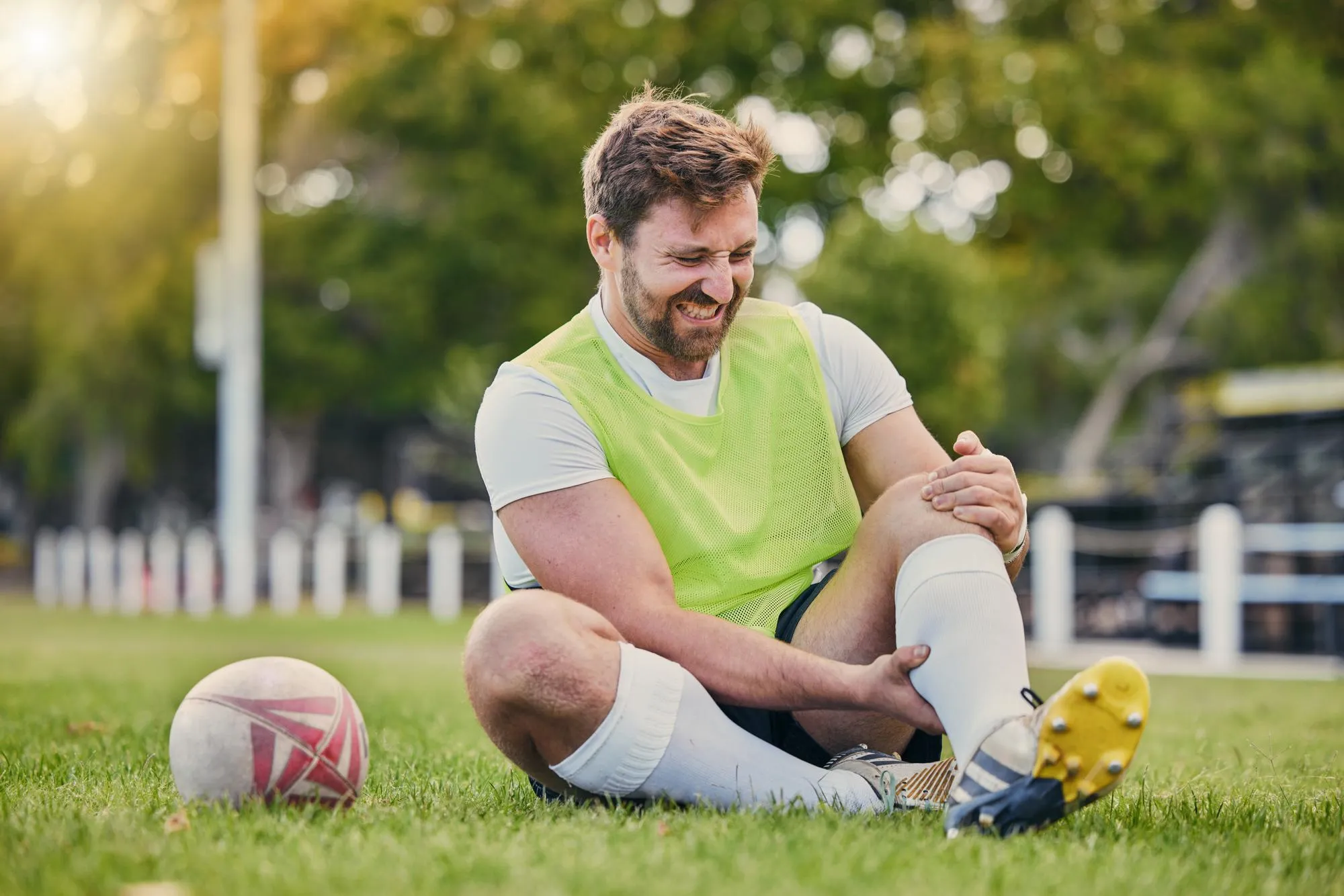
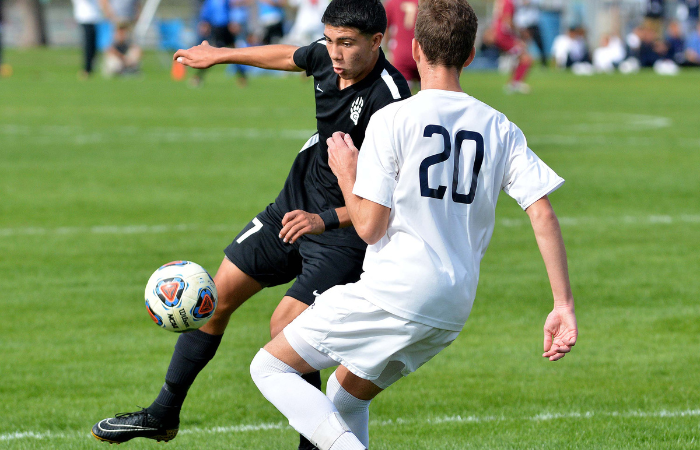
Sports injuries are increasingly common with the growing participation in athletic and fitness activities, often affecting joints such as the knee, shoulder, and ankle. These injuries can involve ligaments, tendons, cartilage, or menisci, leading to pain, swelling, and loss of function that can limit performance and daily activities. Arthroscopy has revolutionized the management of sports injuries by offering a minimally invasive approach for both diagnosis and treatment. Using a small camera and specialized instruments, surgeons can visualize and repair joint structures with minimal tissue disruption, resulting in faster recovery, reduced postoperative pain, and early return to sports. With advances in technique and instrumentation, arthroscopic surgery now enables precise restoration of joint stability and function, helping athletes and active individuals regain their confidence and performance safely and efficiently.
Joint replacement surgery of the shoulder, knee, hip, and ankle has transformed the quality of life for patients suffering from end-stage arthritis, trauma, or degenerative joint diseases. By replacing the damaged articular surfaces with prosthetic implants, these procedures aim to relieve pain, restore motion, and improve functional independence. Each joint replacement requires careful preoperative planning, precise surgical technique, and implant selection tailored to the patient’s anatomy and activity level.
A prosthetic joint may loosen over time due to long-term wear or as a result of infection. In such situations, revision joint replacement becomes necessary. This is a more complex procedure involving the removal of the failed implant, meticulous management of bone loss, and precise restoration of joint alignment and function. With continuous advancements in implant design, surgical techniques, and perioperative care, revision arthroplasty now offers excellent outcomes—helping patients regain mobility, confidence, and an active lifestyle even after complex reconstructive surgeries.
Pelvi-acetabular fractures represent some of the most complex and high-impact injuries in orthopaedic trauma. These fractures involve the bony ring of the pelvis and the acetabulum-the socket of the hip joint which plays a crucial role in weight transmission and mobility. Early recognition, precise imaging, and a multidisciplinary approach are vital for optimal management. Proper anatomical reduction and stable fixation are essential to restore joint congruency, prevent post-traumatic arthritis, and regain full function. Inadequate or delayed treatment can result in chronic pain, limb-length discrepancy, gait disturbances, and long-term disability. Therefore, timely diagnosis and specialized surgical care are critical to ensuring the best possible outcomes and preserving quality of life for patients with pelvi-acetabular fractures.


Suresh N
Happy Patient
"In my 39 years of life, I have never come across a better doctor. Your expertise, care, and dedication truly stand out. I am deeply grateful for your support and the exceptional treatment you provided. Thank you so much, Sir, for making a difference in my life. Your kindness and professionalism mean the world to me."
Our comprehensive fellowship program offers specialized training in advanced orthopedic techniques, providing hands-on experience with cutting-edge surgical procedures and patient care methodologies.
| Fellowship Program | Duration | Key Topics | Certification |
|---|---|---|---|
| Joint Replacement | 24 Months |
|
FNB Certification |
| Sports Medicine and Arthroscopy | 12 Months |
|
Specialist Certificate |
| Trauma and Fracture Care | 12 Months |
|
Expert Certificate |
The fellowship program provided me with unparalleled hands-on experience in advanced joint replacement techniques. Dr. Rajeev's mentorship was invaluable in shaping my career as an orthopedic surgeon.
The sports medicine fellowship opened new horizons in my understanding of arthroscopic procedures. The comprehensive training approach here is truly exceptional.
Learning complex trauma management under Dr. Rajeev's guidance was transformative. The program's emphasis on both technical skills and patient care is remarkable.
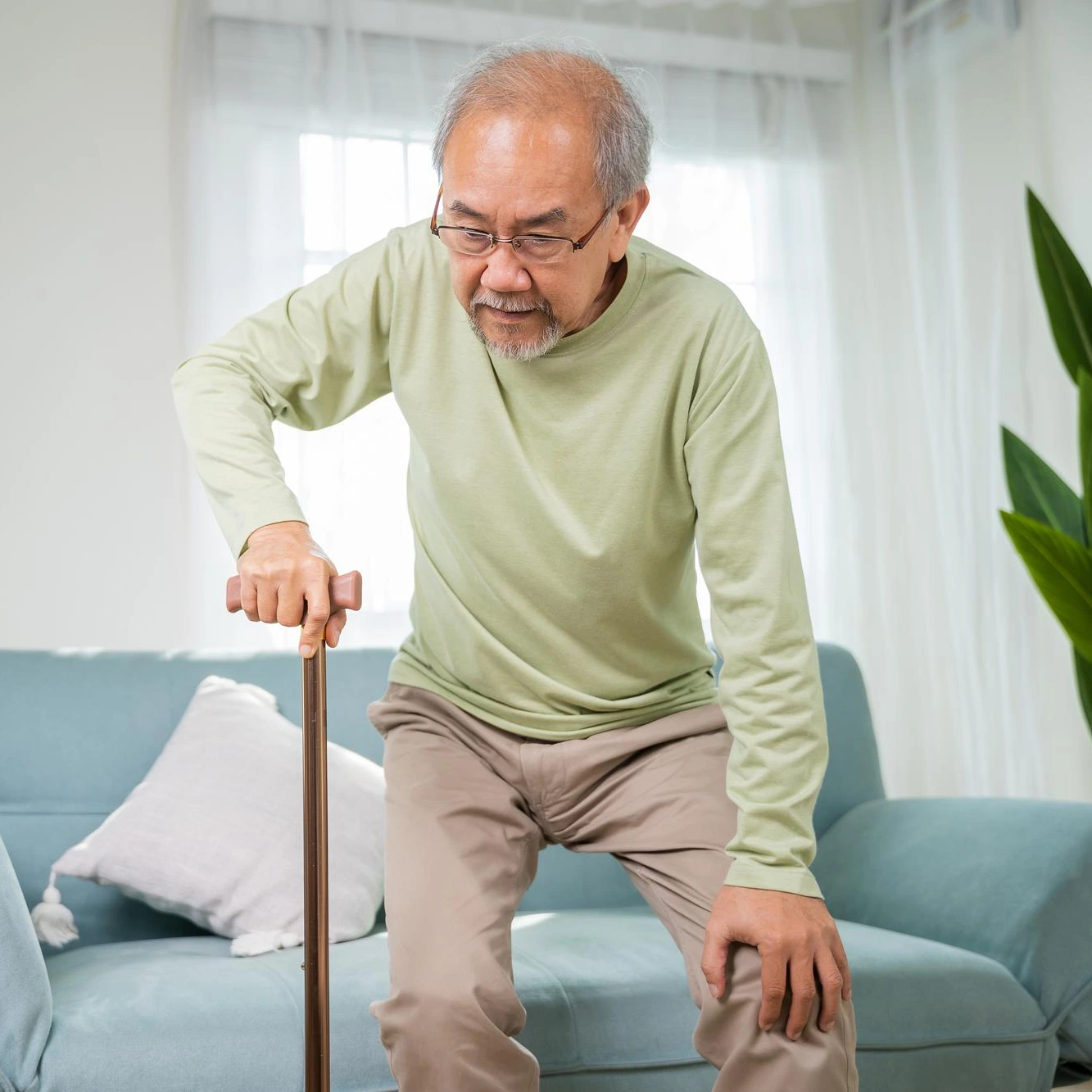
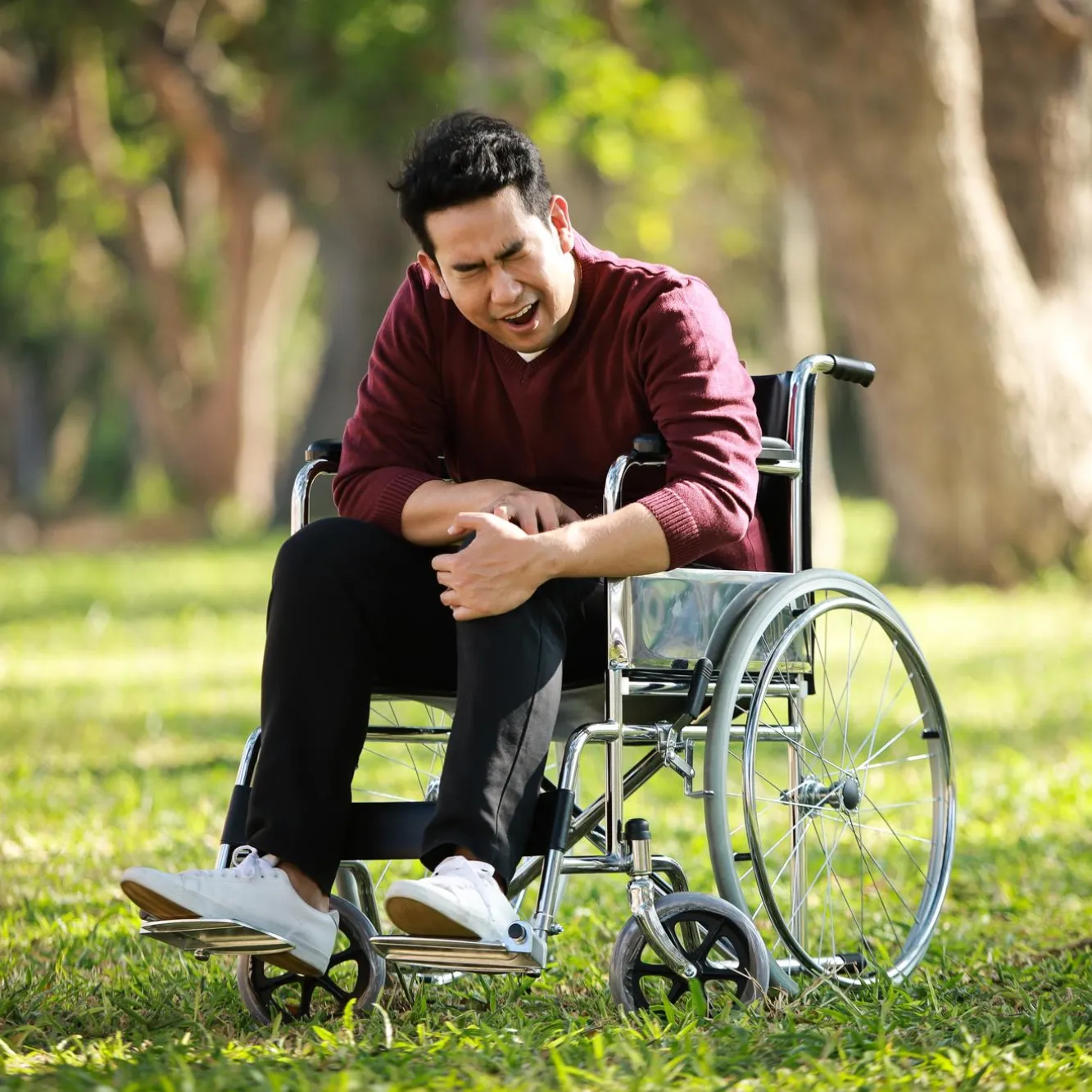
A patient should consider joint replacement surgery when joint pain, stiffness, or deformity severely limits daily activities and quality of life, and when non-surgical treatments such as medications, physiotherapy, and lifestyle modification no longer provide relief. It is usually advised for advanced osteoarthritis, rheumatoid arthritis, avascular necrosis, or post-traumatic arthritis where joint surfaces are damaged. The goal is to relieve pain, restore function, correct the deformity and improve mobility. The decision should be made after careful evaluation by an orthopedic specialist, considering the patient’s age, activity level, and overall health.
The recovery process after sports injury surgery varies with the type of procedure and individual healing response. After arthroscopic ACL reconstruction for knee ligament injuries, rehabilitation usually takes 6 to 9 months, focusing on regaining motion, strength, and stability before returning to sports. For arthroscopic meniscal repair, recovery generally requires 3 to 6 months, with early protection of the repair and gradual progression to full activity.
In arthroscopic rotator cuff and labral repair for shoulder instability, recovery often takes 4 to 9 months, involving a period of sling immobilization followed by physiotherapy to restore range of motion and shoulder strength. Overall, adherence to a structured rehabilitation program and guidance from the orthopedic and physiotherapy team are essential for safe and complete recovery.
Pelvi-acetabular fractures involve the pelvic ring or the acetabulum (the socket of the hip joint). These fractures are usually caused by high-energy trauma, such as road traffic accidents or falls from height. They differ from other fractures because the pelvis houses vital organs, major blood vessels, and nerves, and the acetabulum forms part of the hip joint, making these injuries potentially life-threatening and complex.
Management differs as it requires a multidisciplinary approach initially focusing on stabilizing the patient (control of bleeding, treating associated injuries), followed by precise imaging and specialized surgical fixation to restore pelvic stability and joint congruency. These fractures are fixed only by orthopedic surgeons who have specialized training in pelvi-acetabular fracture fixation, as the procedures demand advanced anatomical knowledge, surgical skill, and specialized instrumentation. Rehabilitation is gradual and closely monitored to prevent complications such as stiffness,
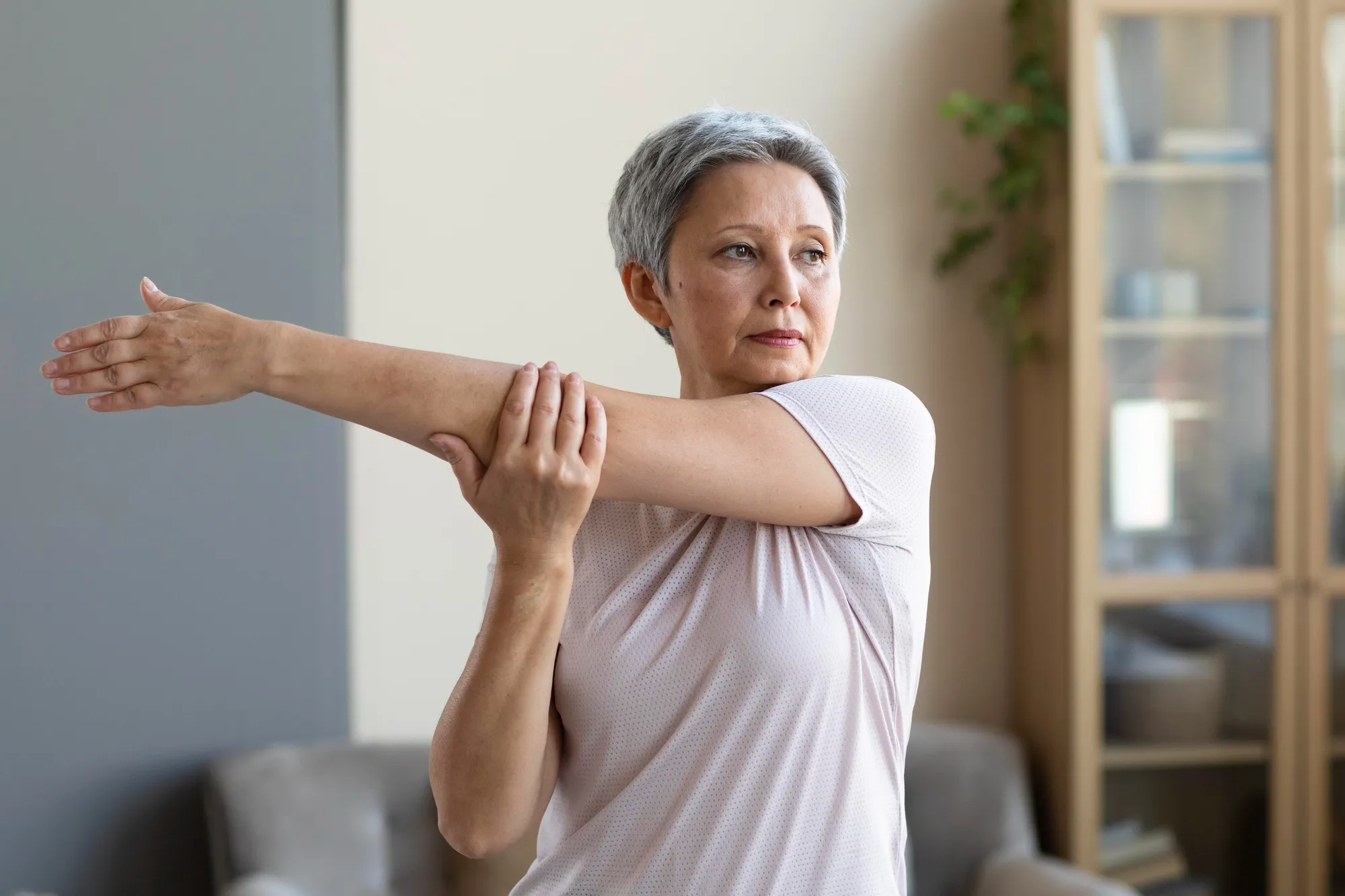
Prevention of joint and sports-related injuries involves proper conditioning, technique, and precautions. Regular warm-up and stretching before activity improve flexibility and reduce strain on muscles and joints. Maintaining muscle strength and balance, especially around major joints like the knee and shoulder, provides better support. Using appropriate footwear and protective gear, avoiding overtraining, and allowing adequate rest and recovery are essential. Practicing correct sporting techniques and gradually increasing training intensity help prevent overuse injuries.
Maintaining proper nutrition and diet is equally important, as it supports muscle repair, bone strength, and joint health. A balanced diet rich in proteins, calcium, vitamin D, and essential nutrients enhances recovery, performance, and resistance to injury.
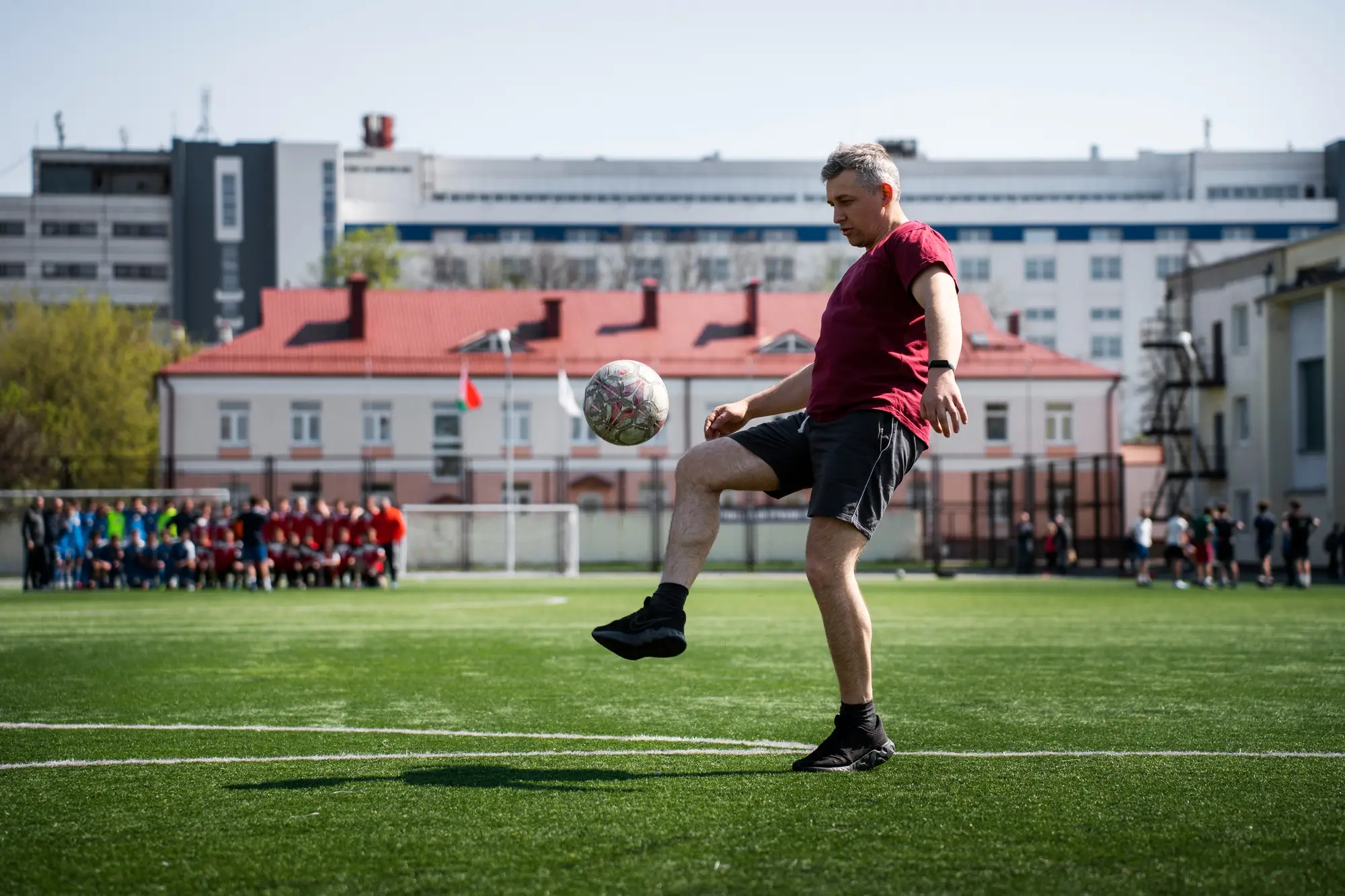
Additionally, specialized training under professional supervision ensures that athletes learn the correct methods and safety measures. Proper guidance while participating in specific sporting events helps tailor training to the sport’s physical demands. Consideration of the playing surface, whether synthetic or natural, is also crucial since it affects impact forces, traction, and the overall risk of joint and ligament injuries.